Why Did Microsoft Stop Making Windows Phones?
Scroll through this article as we shed some light on why Microsoft stopped making Windows Phone all of a sudden.
Ever been excited to download an app on your phone, only to realize it’s not available? Yeah, that’s a bummer. One of the biggest reasons for the downfall of Windows Phones was the app ecosystem, or more accurately, the lack of it. The problem was that developers couldn’t be bothered creating all those amazing apps that you’d find on Android and IOS, for Windows. Obviously, apps are one of the main reasons why the smart phone technology exists and if you can’t download or find apps on a phone, then what’s the point, right? This was a huge problem.
The snowball effect began, and the ecosystem never took off. And once you lose the battle for apps, well… it's game over.
Microsoft’s entry into the smartphone arena came a little too late. By the time Windows Phones hit the market, iPhones and Androids were already dominating. The market was saturated. They were the cool kids on the block, and Windows Phone? Well, it felt like the new kid trying to find a place. Microsoft tried hard to catch up, but being late to the smartphone game was a serious disadvantage. The momentum wasn’t in their favor, and no amount of fancy features could convince users to jump ship.
Ever hear of a phone called Lumia? Or was it Windows Phone? Or maybe it was Windows 10 Mobile? That’s part of the problem. Microsoft couldn’t nail down its branding. Apple had the iPhone, simple and recognizable. Android had its brand split across manufacturers but remained clear. Windows Phone? It changed names and identities far too often. The constant rebranding confused users and potential buyers. They couldn’t figure out if Microsoft was really committed to its phone business. And with no clear marketing strategy, many potential customers didn’t even know that Microsoft had a phone to offer!
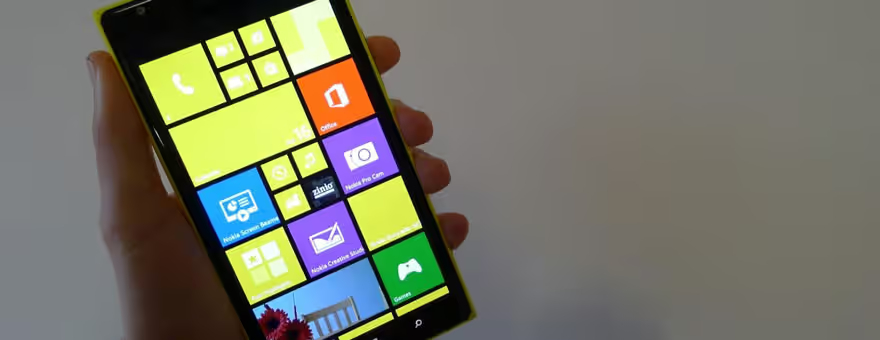
When you’re up against titans like Apple and Google, you better have a strong game plan. Unfortunately, Windows Phone didn’t. Apple was innovating rapidly with its user-friendly iOS, while Android was drawing developers in droves. These two platforms left little room for a third player. Even with the uniqueness of its live tiles and the smooth user interface, Windows Phones just couldn’t lure enough users.
Obviously, both IOS and Android were the pioneers and were excelling. Windows phones just could not bring that demand in. It was, again, a late entry in the market and that too at a point where people couldn’t care less about getting accustomed to a new phone.
Leave the game, before the game leaves you. Microsoft listened and, in 2017, they called an end to their, let’s just say, a short expedition in this particular field. They officially announced they would stop developing new features or hardware for Windows Phones.
Microsoft in the smartphone game. It sounded like it had everything lined up for success. Yet, something went wrong—really wrong. One day, Windows Phones were here, and the next, they were fading into the background. So, why exactly did Microsoft decide to pull the plug? Let’s dig into the real reasons.
The app problem: Lack of developer interest
Ever been excited to download an app on your phone, only to realize it’s not available? Yeah, that’s a bummer. One of the biggest reasons for the downfall of Windows Phones was the app ecosystem, or more accurately, the lack of it. The problem was that developers couldn’t be bothered creating all those amazing apps that you’d find on Android and IOS, for Windows. Obviously, apps are one of the main reasons why the smart phone technology exists and if you can’t download or find apps on a phone, then what’s the point, right? This was a huge problem.
The snowball effect began, and the ecosystem never took off. And once you lose the battle for apps, well… it's game over.
Late to the party
Microsoft’s entry into the smartphone arena came a little too late. By the time Windows Phones hit the market, iPhones and Androids were already dominating. The market was saturated. They were the cool kids on the block, and Windows Phone? Well, it felt like the new kid trying to find a place. Microsoft tried hard to catch up, but being late to the smartphone game was a serious disadvantage. The momentum wasn’t in their favor, and no amount of fancy features could convince users to jump ship.
Marketing missteps
Ever hear of a phone called Lumia? Or was it Windows Phone? Or maybe it was Windows 10 Mobile? That’s part of the problem. Microsoft couldn’t nail down its branding. Apple had the iPhone, simple and recognizable. Android had its brand split across manufacturers but remained clear. Windows Phone? It changed names and identities far too often. The constant rebranding confused users and potential buyers. They couldn’t figure out if Microsoft was really committed to its phone business. And with no clear marketing strategy, many potential customers didn’t even know that Microsoft had a phone to offer!
Fighting with the giants
When you’re up against titans like Apple and Google, you better have a strong game plan. Unfortunately, Windows Phone didn’t. Apple was innovating rapidly with its user-friendly iOS, while Android was drawing developers in droves. These two platforms left little room for a third player. Even with the uniqueness of its live tiles and the smooth user interface, Windows Phones just couldn’t lure enough users.
Obviously, both IOS and Android were the pioneers and were excelling. Windows phones just could not bring that demand in. It was, again, a late entry in the market and that too at a point where people couldn’t care less about getting accustomed to a new phone.
End of the road
Leave the game, before the game leaves you. Microsoft listened and, in 2017, they called an end to their, let’s just say, a short expedition in this particular field. They officially announced they would stop developing new features or hardware for Windows Phones.